About Maya

I came to psychoanalysis after many years as a professor, scholar, and writer, and I continue to inhabit both worlds. What connects them is a particular kind of attention to stories, to what people reveal and conceal, and to the details that complicate the version of ourselves we think we already know.
I began my clinical training in 2016 and started seeing patients at the clinic where I trained. I later completed my psychoanalytic training at the New Jersey Institute for Psychoanalysis, where I was certified as a psychoanalyst (PsyA) in 2020. Today, I am an Associate Professor at Bar-Ilan University, where I teach art and psychoanalysis, and I maintain a private practice in Ra'anana.
Teaching and Scholarship
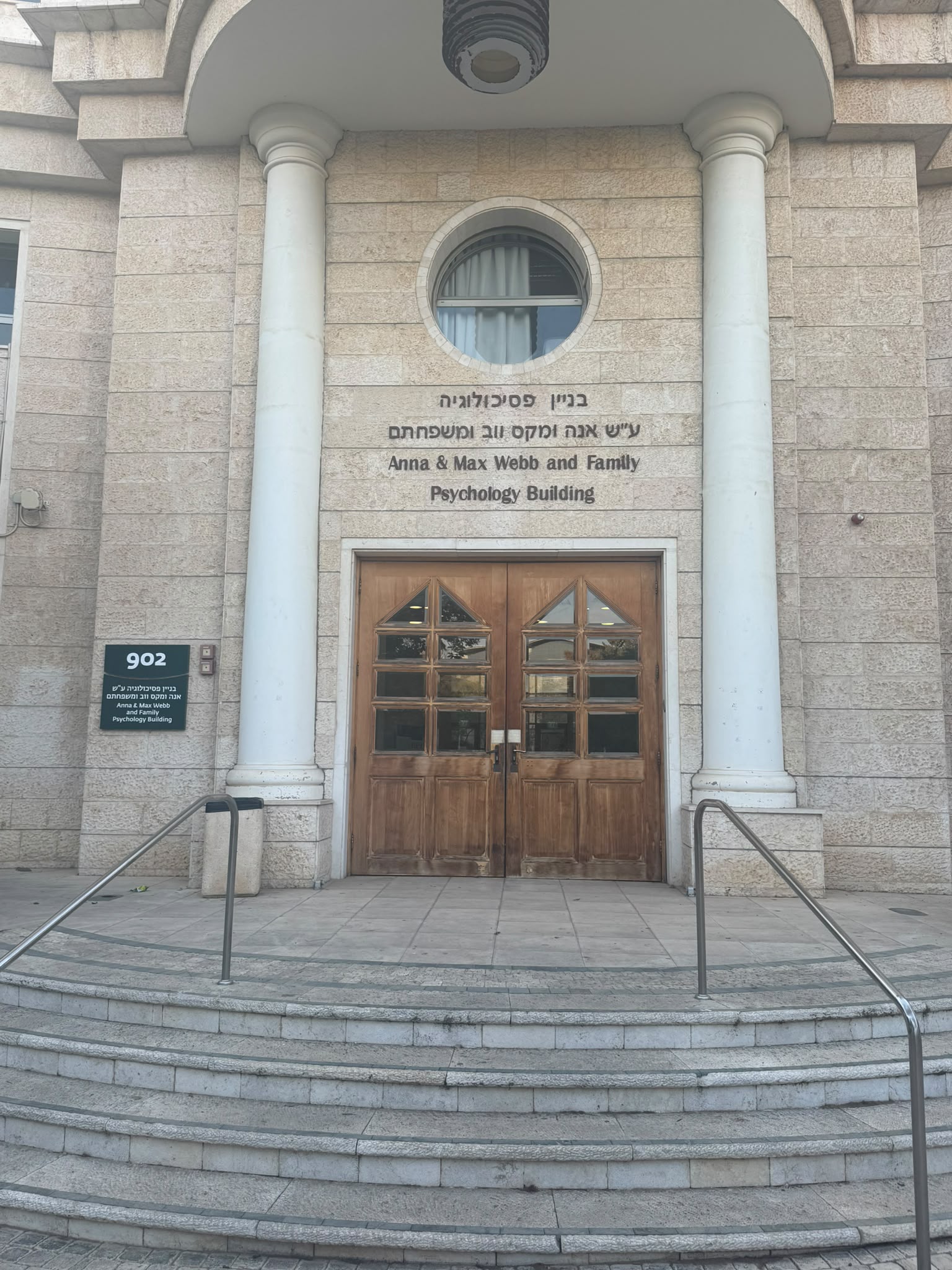
My path to clinical work began long before I entered psychoanalytic training. Since receiving my PhD in art history in 1999, I have spent my professional life studying images, stories, historical evidence, and the ways people make meaning. In my scholarship, I found myself returning to the first generation of psychoanalytic pioneers. Eventually, that intellectual interest led me to train as a psychoanalyst myself.
Looking closely
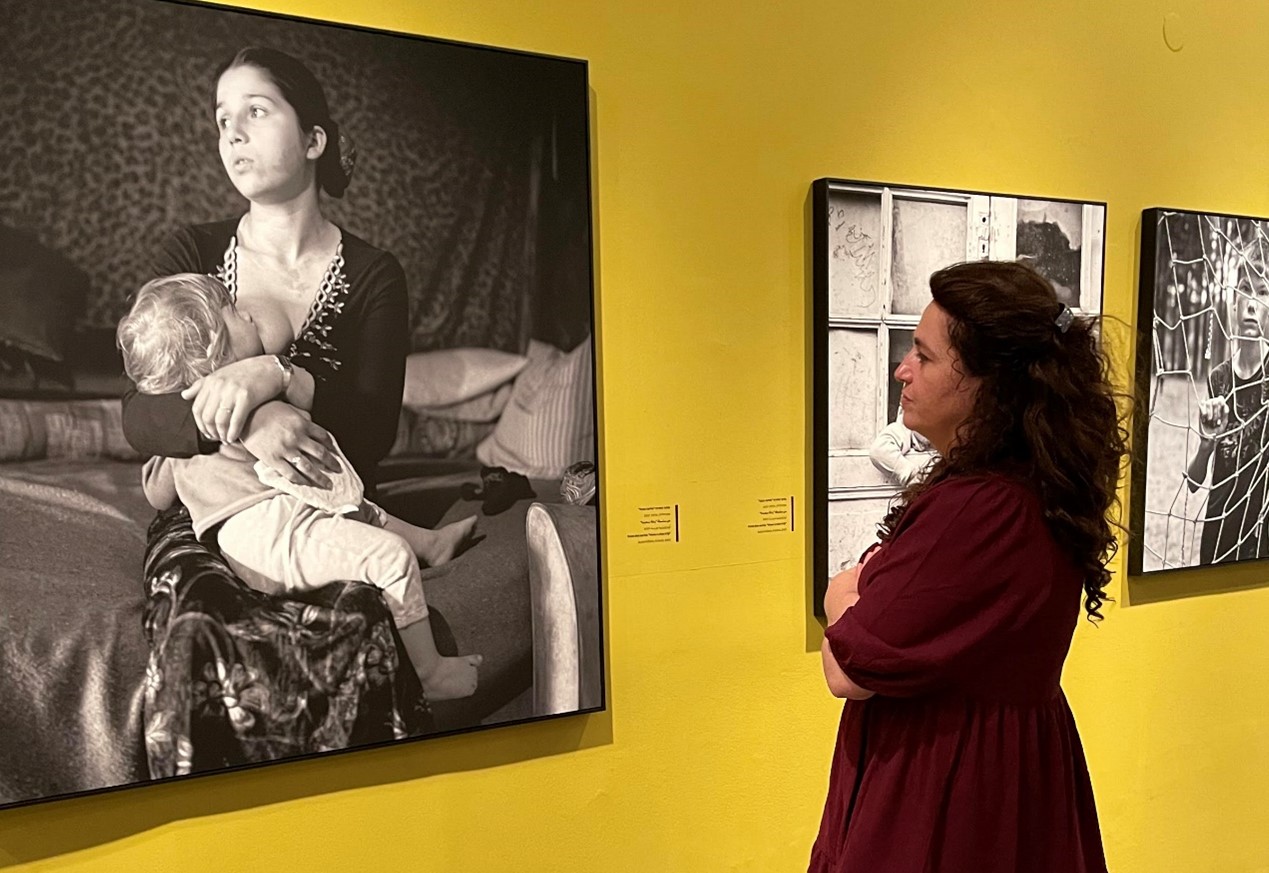
For me, teaching, scholarship, and clinical work are not separate careers, but different forms of sustained attention. An art historian learns that an image contains more than what is immediately visible. Looking closely means noticing what is present and what is absent, what has been pushed to the margins, displaced, or obscured. Meaning emerges through context, relationship, and the willingness to look again.
I bring that approach into the consulting room. I am interested not only in the facts of your life, but in how your story has been assembled, what has become central, what has disappeared, what keeps returning, and what has been relegated to the dream world. In a dream, a strange juxtaposition, a forgotten room, a shift in scale, or a detail that seems to make no sense may begin to gather associations and reveal something you had not yet been able to put into words.